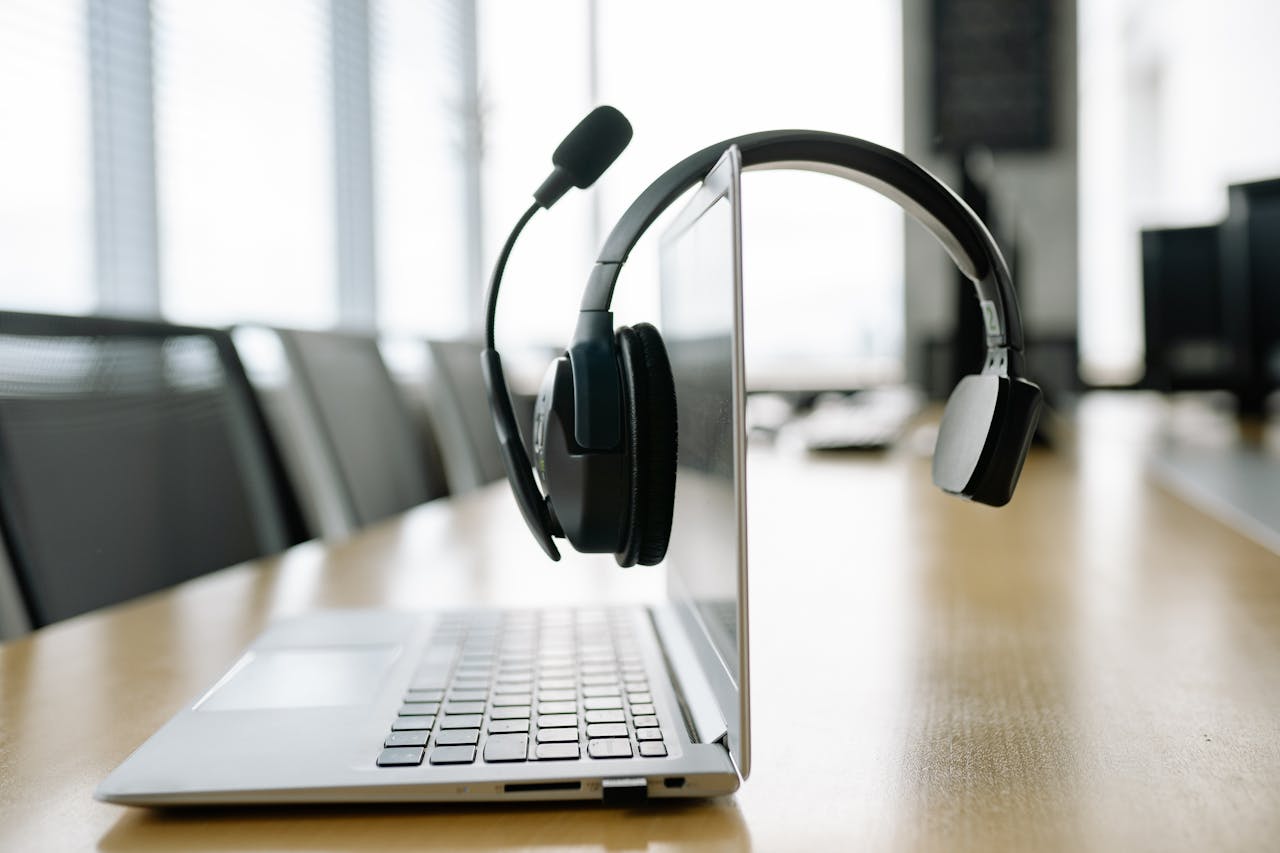
• VoIP Phone System
    Permalink Gallery

    Troubleshooting VoIP Phone System Connection Issues in New York

Troubleshooting VoIP Phone System Connection Issues in New York

In New York, businesses rely on clear communication channels to keep things running smoothly. VoIP phone systems have become a top choice for companies, providing efficient and flexible communication. But what happens when these systems face connection issues? These moments can cause more than just annoyance; they can lead to missed calls, lost deals, and lower productivity. Sorting out these problems becomes vital to maintaining seamless business operations.

A dependable communication system is like the lifeline of a business. It allows teams to collaborate, customers to reach support, and managers to keep everything on track. When the VoIP goes down, it can feel like everything grinds to a halt. By tackling common connection problems, businesses in New York can ensure their teams stay connected, customers happy, and operations efficient. Let’s explore how to identify and troubleshoot these issues effectively.

Identifying Common Connection Problems

Dealing with VoIP connection issues can be frustrating, but spotting common problems is the first step to fixing them. Here are the usual suspects:

– Hardware and Equipment Issues

Even the best technology can wear out over time. Damaged or outdated routers, cables, and phones can lead to poor connections. Imagine trying to make a call on an ancient landline; it just doesn’t deliver the clarity needed today. Regular checks and maintenance can identify faulty equipment that needs replacement.

– Network Issues

The internet is the backbone of VoIP phone systems. When the network is unstable or bandwidth is low, calls might drop, or voices can get choppy. It’s like trying to stream a movie on a weak Wi-Fi signal—it just doesn’t work smoothly. Ensuring a strong and stable internet connection is crucial for VoIP performance.

– Configuration Errors

Sometimes, the issue lies in the system settings. Misconfigured settings or […]

  • Business Phone System
    Permalink Gallery

    What to Do When Your Business Phone System in Riverdale Won’t Connect

What to Do When Your Business Phone System in Riverdale Won’t Connect

Imagine you’re in the middle of an important call with a client or about to close a deal, and suddenly, your business phone system in Riverdale drops the connection. Frustrating, right? A reliable phone system is the backbone of any business, ensuring seamless communication with clients, partners, and team members. When your system fails to connect, it can disrupt operations, create misunderstandings, and even lead to lost opportunities.

A dependable connection is more than just a luxury; it’s a necessity for business success. Whether you’re handling customer inquiries, coordinating with suppliers, or reaching out to potential clients, your phone system must work efficiently. When issues arise, it’s important to know how to navigate these challenges effectively to keep your business thriving.

Common Issues Leading to Connection Problems

No one likes dealing with tech issues, but recognizing what might be going wrong can help solve the problem faster. Here are some common culprits when a business phone system decides to act up:

– Hardware Malfunctions: Just like any gadget, phone system components can wear out or malfunction over time. This might include broken handsets, faulty cables, or damaged ports.

– Network Issues: A stable internet connection is essential for VoIP phone systems. If your internet is spotty or your bandwidth is insufficient, it might lead to connectivity hiccups.

– Configuration Errors: Sometimes, the system settings might not be correctly configured. This could be due to a recent update, a new installation, or an accidental change in the settings.

Each of these issues can disrupt the flow of your business communications. For instance, an unstable network might cause dropped calls, while incorrect configurations could lead to problems with call routing. Understanding these potential headaches allows you to address them promptly and get back […]

Understanding Voice Quality Problems in VoIP Desk Phones

VoIP desk phones have revolutionized communication for many, offering businesses a modern tool to stay connected with clients and colleagues. While these phones provide a range of benefits like cost savings, flexibility, and advanced features, they are not without their challenges. One common issue for users is experiencing voice quality problems. This can be incredibly frustrating, disrupting important calls and potentially harming business relationships.

Clear and effective communication is crucial for businesses in areas like Manhattan, White Plains, and Riverdale, New York. Poor voice quality can lead to misunderstandings and missed opportunities, impacting overall productivity. Understanding the root causes of these issues is the first step toward ensuring that your communication remains seamless and efficient.

Causes of Voice Quality Problems

Voice quality issues with VoIP desk phones often arise from a few common factors, each needing careful consideration and solutions to address effectively.

1. Network Issues: The most frequent cause relates to the network. Insufficient bandwidth or an unstable internet connection often results in choppy audio or delays. Let’s picture a congested highway—just like too many cars can cause traffic jams, too much data flow through a limited network bandwidth leads to poor voice quality.

2. Hardware Issues: Outdated or faulty hardware can also contribute to voice problems. Using old VoIP desk phones or relying on defective devices can lead to reduced sound clarity. Just like how using an old, worn-out phone leads to a crackling sound, the same applies to VoIP systems if the equipment isn’t maintained or upgraded as needed.

3. Configuration Issues: Sometimes, the way your VoIP system is set up can affect quality. Incorrect settings or improper installations can create audio glitches. Remember when you last tried tuning a radio but couldn’t find the right station? […]

  • closeup of hand holding a phone
    Permalink Gallery

    Fixing Audio Distortion in VoIP Phone Systems for Small Businesses

Fixing Audio Distortion in VoIP Phone Systems for Small Businesses

Clear communication is the heartbeat of any thriving small business. It ensures that tasks flow smoothly, customer satisfaction remains high, and team members stay on the same page. VoIP phone systems for small businesses have become essential tools in making sure these conversations happen crisply and efficiently. However, like with anything reliant on technology, issues can pop up from time to time. One of the more frustrating challenges small businesses face is audio distortion during calls, which can turn a productive conversation into a tiring guessing game.

Addressing these audio issues as soon as they arise is crucial for maintaining the smooth operation of your business. When miscommunication arises due to poor audio, it can lead to misunderstandings with clients, delay important decisions, and even disrupt collaborations. By quickly fixing these audio distortions, you ensure that your operations aren’t bogged down by unnecessary tech hiccups, allowing your business to maintain a professional edge and deliver exceptional service.

Understanding Audio Distortion in VoIP Phone Systems

Audio distortion in VoIP phone systems can sound like a conversation with a bad radio connection—scratchy, unclear, and sometimes even broken up. Knowing what causes this problem can help you address it effectively and get back to those smooth conversations your business needs.

1. Network Issues: Most commonly, audio distortion happens because of a weak or unstable network connection. If your internet bandwidth is being stretched too thinly across devices and uses, VoIP calls might suffer.

2. Equipment Problems: Sometimes, the hardware itself is the culprit. VoIP desk phones and related equipment that are outdated or not properly maintained can introduce unwanted noise to calls.

3. Configuration Errors: Incorrect settings on your phones or network can also cause distortion. Ensuring your devices are configured correctly is […]

  • IP Phone Provisioning
    Permalink Gallery

    Why IP Phone Provisioning Matters for New York Business Growth

Why IP Phone Provisioning Matters for New York Business Growth

Picture this: You’re running a bustling business in New York, striving for growth and aiming to stay ahead of your competitors. But there’s a snag—your communication system is lagging, leading to missed opportunities and frustrated customers. This scenario illustrates how critical efficient communication is to your business’s success, and a key player in making this happen is IP phone provisioning.

IP phone provisioning ensures that your VoIP phone systems are set up correctly and function smoothly. It’s more than just making a few settings adjustments. It’s about ensuring each phone connects seamlessly to your network, offering reliable communication that can adapt as your business grows. Exploring why this is vital can help you tap into new growth avenues and streamline your operations.

What Is IP Phone Provisioning?

At its core, IP phone provisioning involves configuring IP phones so that they can be used with your specific VoIP business phone systems. Think of it like setting up a new smartphone; it’s about ensuring that everything syncs up right so you can text, call, and use your favorite apps without a hitch. Similarly, with VoIP phone systems, provisioning ensures that devices connect, process calls efficiently, and handle the communication load your business requires.

Here’s a breakdown of what the process often involves:

1. Configuration Setup: Initial setup configures the phone’s network settings, often involving setting up usernames and passwords.

2. Firmware Updates: The phones receive any necessary updates to ensure they have the latest features and security settings.

3. Personalized Settings: Adjustments can be made for each user or department, suiting the particular communication needs.

Understanding this process matters because IP phone provisioning isn’t a one-off task. Each time you add new devices, make changes to your network, or upgrade your systems, provisioning becomes […]

Improving Call Quality with VoIP Grey Routes

If you’ve ever struggled with poor call quality, you’re not alone. Businesses face these issues regularly, and sometimes the cause isn’t immediately obvious. This is where VoIP Grey Routes come into play. These routes can unintentionally impact your call quality, causing both clarity and reliability to falter. It’s important to address these issues, especially in a busy place like Manhattan, where businesses depend heavily on clear communication.

Improving call quality isn’t just a technical matter; it’s a necessary strategy for businesses aiming for efficiency and client satisfaction. Whether it’s a missed word during a conference call or repeated interruptions during important sales conversations, poor call quality can have far-reaching effects. Understanding and managing the challenges posed by VoIP Grey Routes can make all the difference in keeping your business communications as reliable as they need to be.

Understanding VoIP Grey Routes

VoIP Grey Routes might sound complex, but they play a significant role in how your calls are routed and, eventually, how they’re heard. Put simply, these are the paths that voice transmissions take when they’re not routed through the usual expected channels. While they might offer a cost-saving opportunity, they can introduce various sound quality issues.

Typically, businesses encounter problems such as echo, latency, and dropped calls when using VoIP Grey Routes. These issues become even more pronounced during high-traffic hours when many calls are being made. The routes bypass the more traditional, higher-quality paths usually used by call providers, often resulting in unsatisfactory quality. It’s similar to taking a side street to avoid traffic, only to find the road is full of potholes.

Here’s a quick look at common issues that arise with VoIP Grey Routes:

– Echoing: Conversations loop back, causing distractions and miscommunication.

– Latency: Delays in […]

Common Issues and Solutions for IP Phone Systems in Riverdale

IP Phone Systems have become a lifeline for businesses in Riverdale, offering reliable and flexible communication solutions. Imagine trying to run a business where calls constantly drop or connections falter. That’s a nightmare scenario for any company striving to maintain a professional image and ensure customer satisfaction. Having a robust IP Phone System isn’t a luxury—it’s a necessity. These systems help keep businesses connected with clients and facilitate smooth internal communications.

However, even the best systems can run into problems now and then. For companies relying heavily on calls, dealing with these issues can feel like a constant battle. Whether it’s call quality trouble, connectivity concerns, or configuration errors, these hiccups can disrupt daily operations. Recognizing these challenges and knowing how to address them can make all the difference in keeping a business running efficiently and smoothly.

Common Issues with IP Phone Systems in Riverdale

When it comes to IP Phone Systems, users often encounter a few recurring issues that can disrupt business operations. Understanding these problems helps in tackling them effectively.

1. Call Quality Issues: A common headache involves call quality, where users experience jitter, latency, or even dropped calls. These glitches can frustrate both employees and clients, leading to missed messages and opportunities.

2. Connectivity Problems: Sometimes, phones lose their connection with the network, causing interruptions. This issue often stems from an unstable internet connection or network congestion.

3. Configuration Mistakes: Incorrect settings can lead to unexpected operational problems. Poor configuration might affect how calls are routed or how phones interact with the network.

4. Hardware Failures: Like any tech, IP phones are not immune to hardware failures. Handsets might malfunction, or other physical components could break down over time.

5. Security Concerns: IP Phone Systems aren’t free from security […]

  • VoIP Systems
    Permalink Gallery

    Effective Call Management Using VoIP Phone Systems for Small Businesses

Effective Call Management Using VoIP Phone Systems for Small Businesses

For small businesses, managing calls effectively can mean smoother operations and happier customers. Picture a customer trying to reach you, but all they hear is a busy signal or get transferred to the wrong department. That’s frustrating, right? Effective call management helps avoid these situations. It’s especially important in busy hubs like Manhattan, where every call might be a potential business opportunity. When handled well, calls can enhance customer satisfaction and boost your brand’s image.

VoIP Phone Systems offer a dynamic solution for small businesses. They are not just about making and receiving calls. These systems come with advanced features that help businesses manage communication more efficiently. With the right setup, VoIP Phone Systems can be a game-changer, streamlining communication and ensuring that no lead gets lost due to mishandled calls.

Understanding VoIP Phone Systems for Small Businesses

So, what’s the big deal about VoIP Phone Systems? Unlike traditional phone lines, VoIP systems use the internet to make calls. This technology translates voice signals into data that travels over the internet. It sounds complex, but the result is a flexible, modern communication system that’s especially helpful for small businesses.

Here’s why many small businesses in Manhattan are turning to VoIP Phone Systems:

– Cost-Effective Solutions: Traditional phone setups can be pricey, both in installation and upkeep. VoIP helps cut those costs since it runs over an existing internet connection, reducing the need for separate infrastructures.

– Scalability: As your business grows, so does your need for better communication tools. VoIP lets you scale up without a hitch, adding lines or features without major overhauls.

– Flexibility: Traditional lines tie you down a bit, but VoIP gives you the freedom to take calls virtually anywhere, as long as there’s internet – pretty […]

How to Set Up Call Forwarding with VoIP for Small Businesses

Small businesses often depend on smooth communication to thrive and grow. One way to ensure seamless communication is through an efficient call forwarding system. For instance, running a bustling café in the city may leave you too busy to answer calls. Call forwarding helps you transfer incoming calls to another device or person, ensuring you never miss an important call. This keeps operations smooth and boosts customer satisfaction by ensuring they always reach a human voice on the other end.

VoIP phone systems for small businesses have taken communication to a new level. They offer advanced call forwarding options that are easy to set up and flexible. They allow businesses to redirect calls as needed, whether you’re at a different location or after business hours. VoIP systems are digital, using the internet to handle calls, making the process faster and more reliable than traditional phone systems. Understanding the benefits of VoIP and how to effectively set up call forwarding can help small businesses stay connected at all times.

Benefits of Using VoIP Phone Systems for Small Businesses

VoIP phone systems bring many perks for smaller businesses. Most advantageous is the flexibility they offer. VoIP systems allow calls to be forwarded to nearly any device, be it a cell phone or laptop. If you’re out of the office or working from home, you can still receive office calls without hassle. This makes shifting between your personal and professional life feel effortless, creating a more balanced workflow.

Another big draw is cost efficiency. Traditional phone systems can be pricey, especially considering the added charges for features like long-distance calls. With VoIP, all calls are routed through the internet, translating to savings, especially on long-distance connections.

Scalability is another advantage. As your […]

  • VoIP Desk Phones
    Permalink Gallery

    Enhancing Small Business Communication with VoIP Desk Phones in NYC

Enhancing Small Business Communication with VoIP Desk Phones in NYC

Efficient communication is the backbone of any successful business. In NYC, where competition is fierce, small businesses need reliable tools that streamline their communication processes. VoIP Desk Phones offer a modern solution, transforming how businesses connect internally and with clients.

VoIP Desk Phones are changing the game for many NYC companies. They deliver clear call quality, integrate easily with other systems, and help reduce costs. These phones are flexible and can scale as your business grows, making them perfect for small business environments. Implementing them can provide an edge in maintaining smooth communications and building better client relationships.

Adopting VoIP Desk Phones in NYC not only enhances daily operations but also prepares businesses for future growth. By focusing on tools that support communication, businesses position themselves to succeed in a challenging, fast-paced market. VoIP Desk Phones are a smart choice for any business looking to stay connected and efficient.

Understanding VoIP Desk Phones for Small Businesses

VoIP Desk Phones are a key component of modern business communication. They work by turning voice signals into digital data, which is sent over the internet. This setup is different from traditional phone lines that rely on analog signals and dedicated circuits. VoIP Desk Phones connect directly to your office network, making it easy to manage calls and integrate with other digital tools.

There are several advantages of using VoIP Desk Phones compared to traditional systems. First, they offer cost savings. Since calls use the internet, businesses can avoid the high costs of long-distance and international calls. This can significantly reduce monthly phone bills for companies handling a lot of calls. Second, VoIP Desk Phones often provide better call quality, as they are equipped with advanced noise-canceling features that eliminate background noise.

Many features […]

1.855.783.2332 -- Call to receive a quote or email us: