

 Gallery
Why Your Team Shouldn’t Overlook Call Forward With VoIP
Summer in New York City moves fast, especially in the office. Teams are scattered, covering each other’s schedules, and juggling time off. In the middle of all that movement, keeping communication steady can be tricky. Missing a call might mean missing a task, a client, or an important update. That’s why we pay attention to even the smallest tools that help connect people without creating extra work.
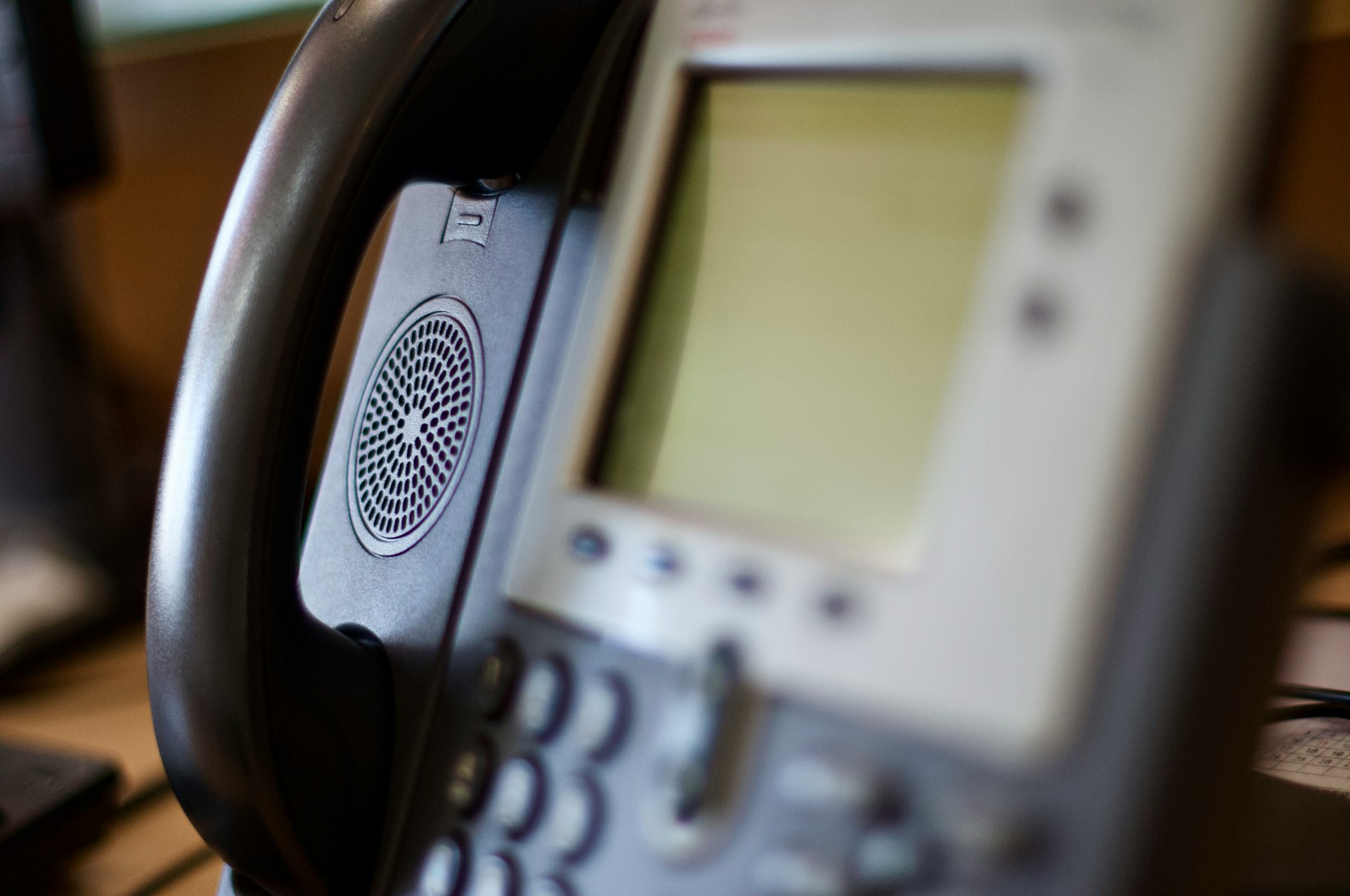
Call forward with VoIP is one of those tools. Instead of letting calls go unanswered, it quietly directs them where they need to go. It gives flexibility without confusion. With VoIP Business Phone Systems, even a basic setup like call forwarding helps teams handle changes without slowing down. As workplaces gear up for summer shifts, it’s worth looking closely at whether this simple setting is being put to good use.
Why Forwarding Calls Matters in NYC Workspaces
New York City offices rarely have a quiet season. The pace stays steady, and teams have to keep up. But as people take time off or adjust their work routines for summer, gaps start to show. Calls that used to get answered quickly might now hit a voicemail no one checks for days.
Forwarding helps smooth that out.
It keeps communication steady during vacation coverage or temporary role changes
It lowers the chance of missed calls that delay tasks or require repeat follow-ups
It gives clients and coworkers a better experience, even when staffing shifts from week to week
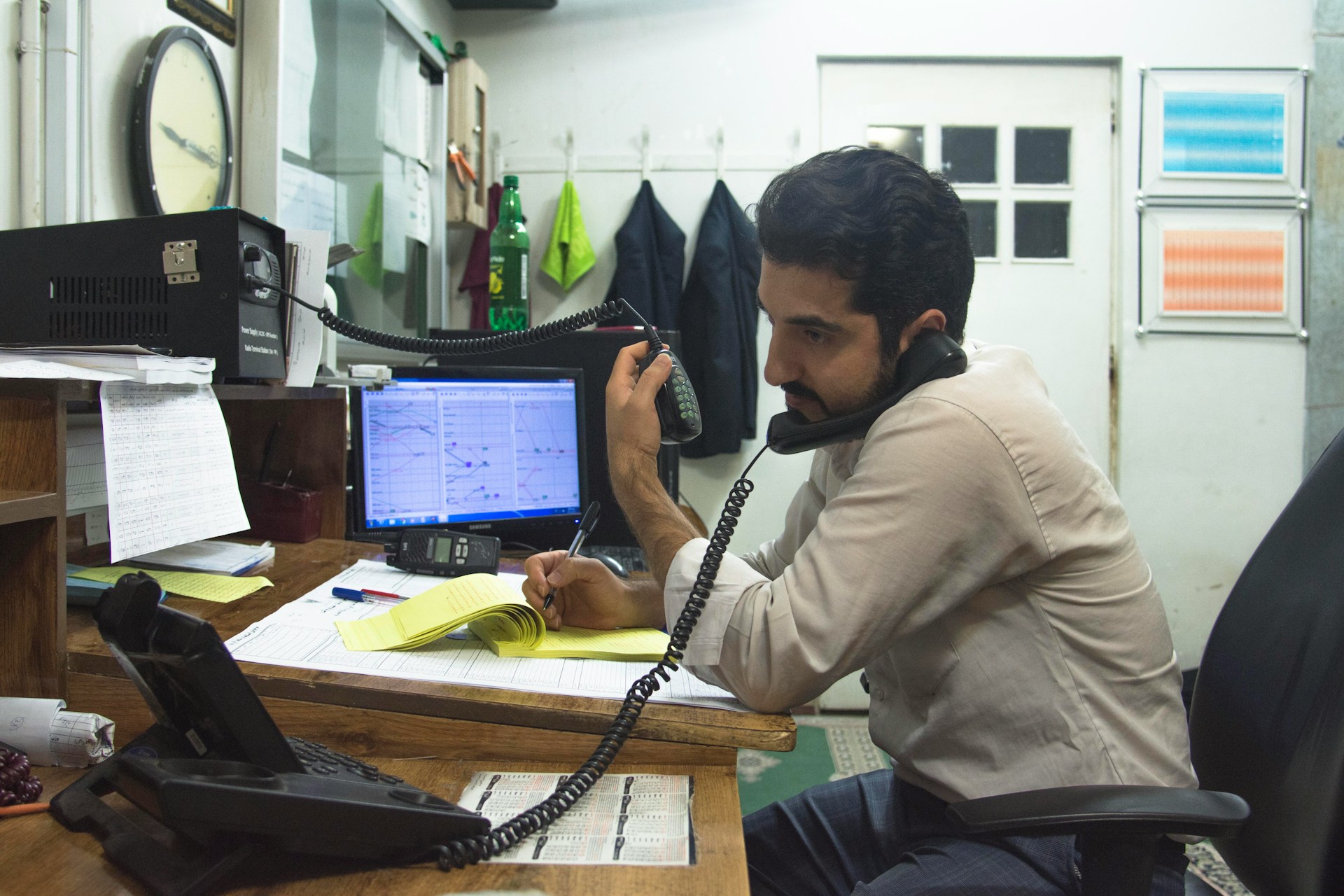
We see this often in places where staff rotate between fieldwork, in-office time, and remote work. Without forwarding, callers may feel stuck or ignored. Over time, that adds stress to teams already working hard to adjust to new timelines and needs.
How Call Forwarding Helps Hybrid and Mobile Teams
More teams […]

 Gallery
 Gallery
 Gallery
 Gallery
 Gallery
 Gallery
 Gallery
 Gallery
 Gallery